The Department has been actively engaged in multidisciplinary research addressing contemporary challenges in civil engineering, with a strong focus on sustainability, safety, resilience, and innovation in the built environment. Faculty members and research scholars have contributed significantly through theoretical, experimental, numerical, and applied research, aligning departmental objectives with national priorities and global research trends.
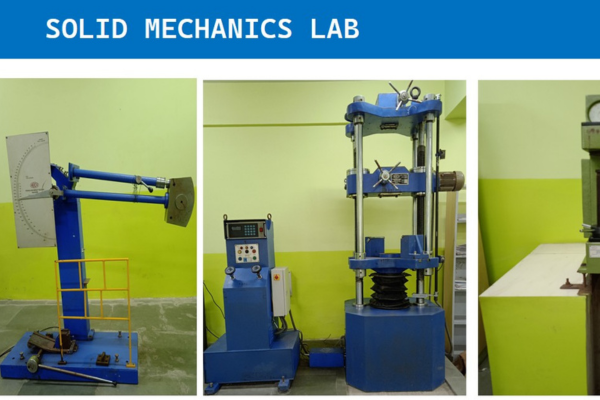
Major research thrust areas include structural analysis and design, earthquake engineering, structural dynamics, concrete technology, building materials, masonry structures, and repair and rehabilitation of structures. Several studies have been undertaken on the seismic performance of reinforced concrete (RC) and composite structures, emphasizing vulnerability assessment, nonlinear behavior, and performance-based design approaches. Research on multi-storied buildings, shear wall systems, and retrofitting strategies has provided valuable insights for improving structural safety in seismic regions.
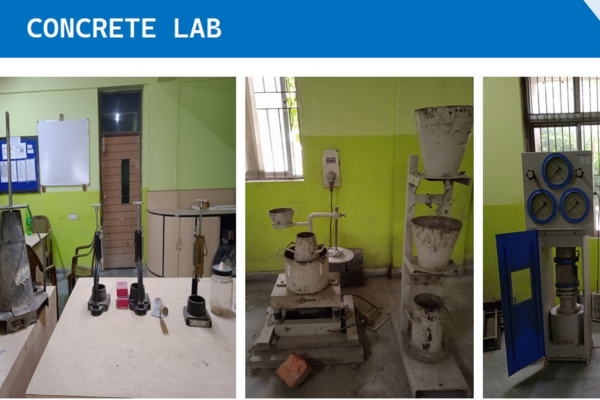
The Department has also made notable contributions in the field of advanced concrete and construction materials. Research activities encompass the development and characterization of high-performance concrete, use of supplementary cementitious materials, sustainable and recycled aggregates, and durability studies under aggressive environmental conditions. These studies aim to enhance material efficiency while reducing environmental impact, thereby supporting sustainable construction practices.
In the domain of geotechnical and foundation engineering, research has focused on soil characterization, bearing capacity improvement techniques, slope stability analysis, and ground improvement methods. These investigations are particularly relevant to infrastructure development in challenging soil conditions and urban expansion scenarios.
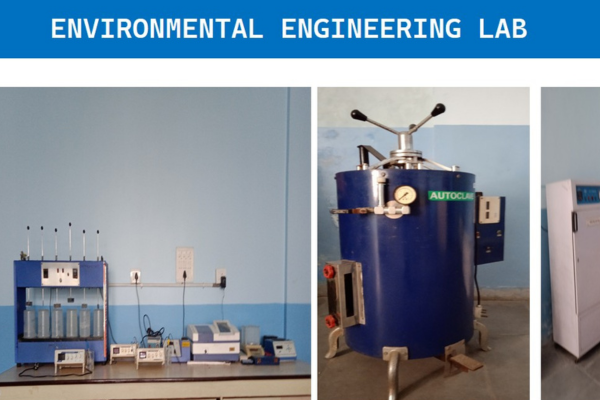
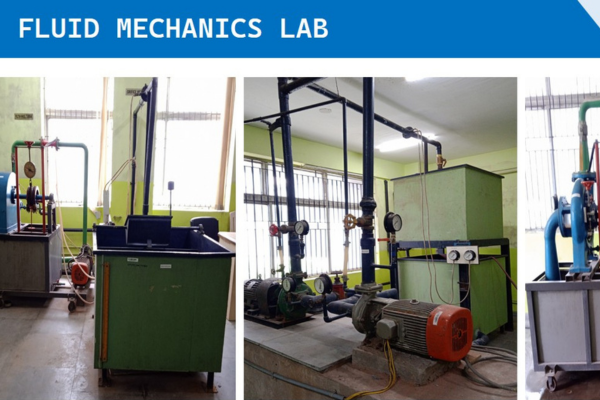
Research in water resources and environmental engineering includes studies on water storage structures, wastewater treatment, stormwater management, and environmental impact assessment. Emphasis has been placed on efficient design of water-retaining structures, sustainable water management, and mitigation of environmental risks associated with urbanization and climate change.
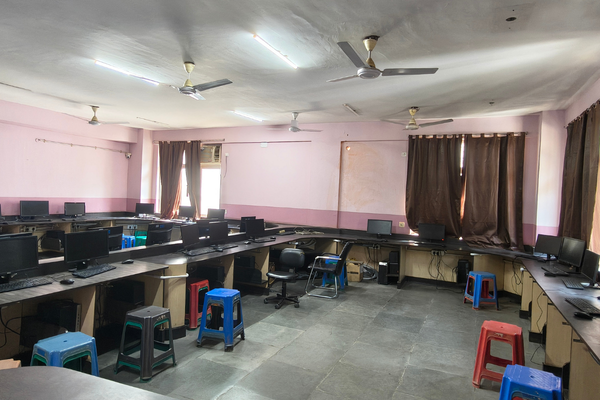
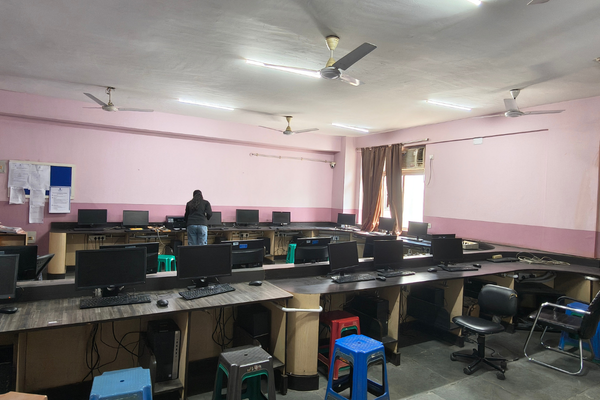
The Department actively promotes computational and numerical modeling using advanced software tools such as finite element analysis platforms for simulating structural behavior under static and dynamic loading. These studies support both academic research and practical engineering applications.
Faculty members have published their findings in reputed peer-reviewed national and international journals, conference proceedings, and edited volumes. Research outcomes have also been disseminated through seminars, workshops, faculty development programs, and collaborative activities with academic institutions and industry partners. Ongoing research projects and postgraduate dissertations further strengthen the research ecosystem of the Department.
Overall, the Department continues to foster a robust research culture aimed at producing impactful knowledge, supporting innovation, and contributing to societal needs through safe, sustainable, and resilient infrastructure development.